What Is a Hot Desk? A Clear Guide for Flexible Workers

A straightforward guide to hot desking - what it includes, who it works best for, and when it makes sense to switch to a dedicated desk or private office.
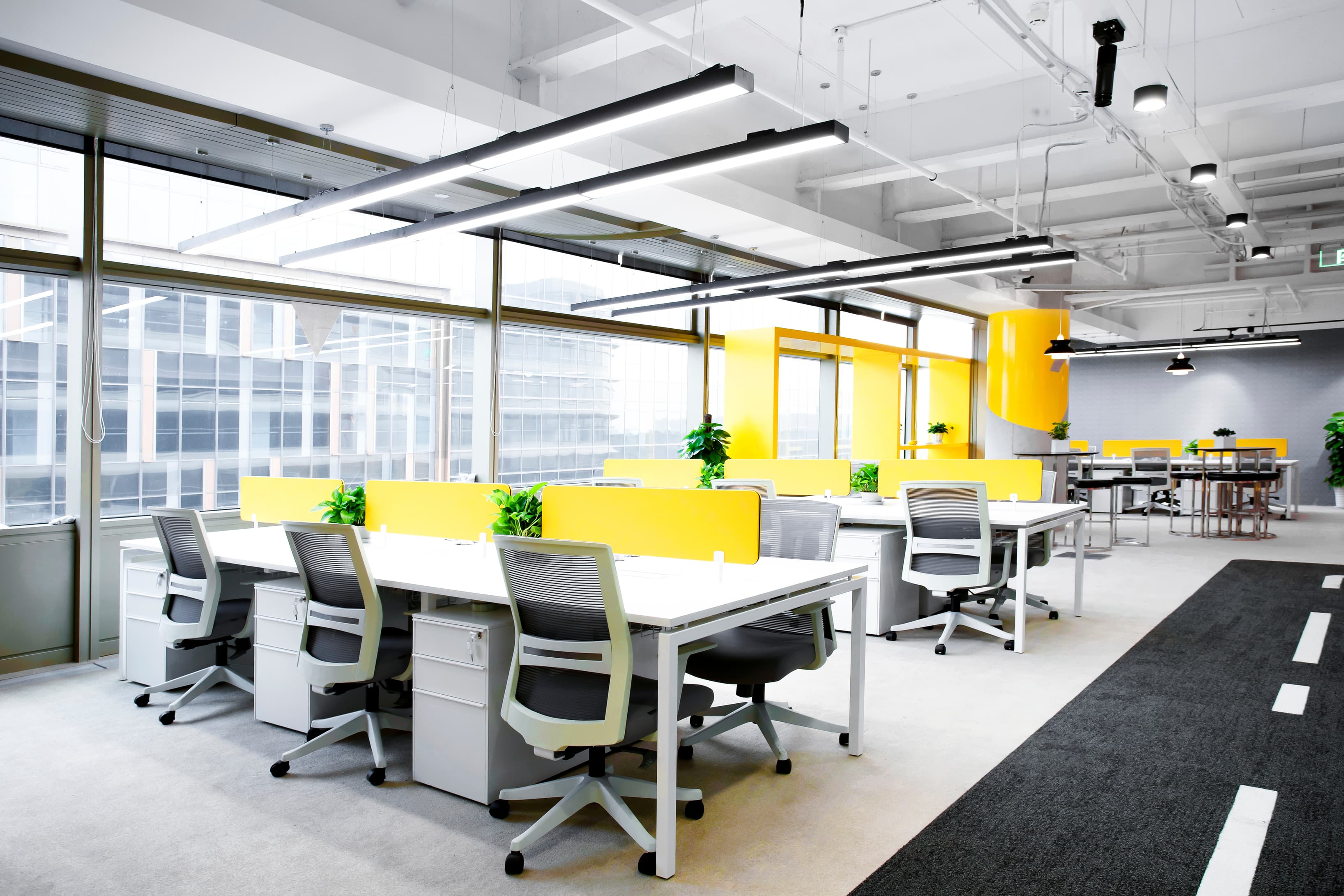
The hot desk is the simplest product in the flexible workspace market. You book a session, turn up, take any available desk in a shared environment, and leave it clear when you are done. No assigned spot, no permanent setup, no long-term contract. It is flexible working in its most straightforward form.
For many professionals, that simplicity is exactly what they need.
What You Typically Get
Most hot desk arrangements include access to the shared workspace, Wi-Fi, printing, and communal areas such as kitchens and breakout spaces. Meeting rooms are usually available to book separately. The desk itself is unassigned, which means the specific spot will vary each visit, but the infrastructure around it stays consistent.
The Practical Reality
Hot desking works well when your time in an office is genuinely occasional. If you are in a shared space two or three days a week and do not need to leave anything set up between visits, it covers most bases at a reasonable cost. The environment tends to be social, which suits people who find working in isolation draining.
The limitations become relevant as usage increases. If you are coming in most days, the inability to leave equipment set up or guarantee the same workspace starts to create friction. At that point, a dedicated desk tends to make more practical sense. Similarly, if your work involves confidential calls, client-sensitive material, or anything that requires a degree of acoustic privacy, the open shared environment of a hot desk arrangement is not the right fit.
When Professionals Typically Make the Switch
The move away from hot desking usually happens for one of two reasons. Either the frequency of use increases to the point where a dedicated desk is more cost-effective and practical, or the nature of the work changes in a way that requires more privacy or consistency. Both are straightforward triggers. The flex model is designed to accommodate that kind of progression without friction.
Who It Suits
Hot desking is a strong fit for solo workers and small teams who need professional infrastructure on a flexible basis. Freelancers who work from home most of the week but want an occasional change of scene, consultants who travel frequently and need a reliable base in different cities, and remote employees who want access to a professional environment without committing to a full membership will all find it covers their needs without the overhead of anything more formal.
It is the lowest-commitment option in the market and one of the most cost-effective for irregular use. For anyone testing a new city, returning to office work after a period of remote working, or simply wanting a desk outside the home without a monthly contract, it is a practical starting point.
Find a Hot Desk Near You
Explore hot desk availability across thousands of locations at Worka.com.