Flexible Workspaces: A Smart Choice for the Post‑Covid Era

Flexible workspaces offer scalable, cost-effective solutions for businesses adapting to hybrid models in the post-Covid era. Discover how flexibility, wellbeing, and collaboration support long-term growth and operational resilience.
The Covid-19 pandemic fundamentally changed the way companies operate. Remote work, once seen as a perk, became a necessity, and businesses had to rethink their approach to office space. But as organizations transition into a post-pandemic era, one question arises: how can companies balance flexibility, productivity, and employee satisfaction in a world that no longer revolves around the traditional office?
Flexible workspaces offer a smart solution. They combine adaptability, scalability, and efficiency that long-term leases often can’t. Companies can scale teams up or down, while employees get a choice of collaborative zones or private spaces. In an unpredictable market, this flexibility helps businesses respond quickly to shifting projects, staffing, and demands. Read more about the rise of flexible workspaces and why businesses are moving away from long leases.
Meeting the Needs of a Hybrid Workforce
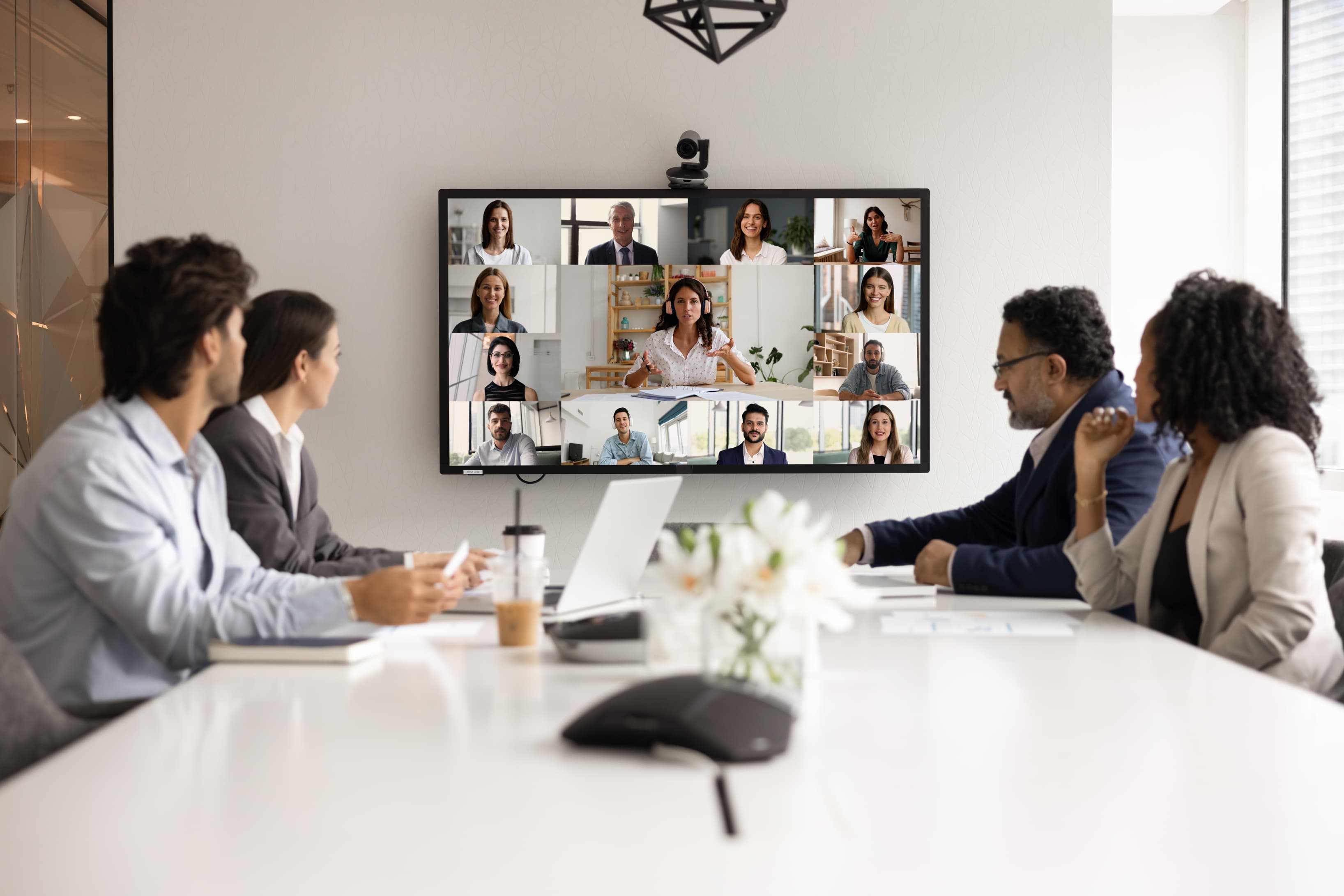
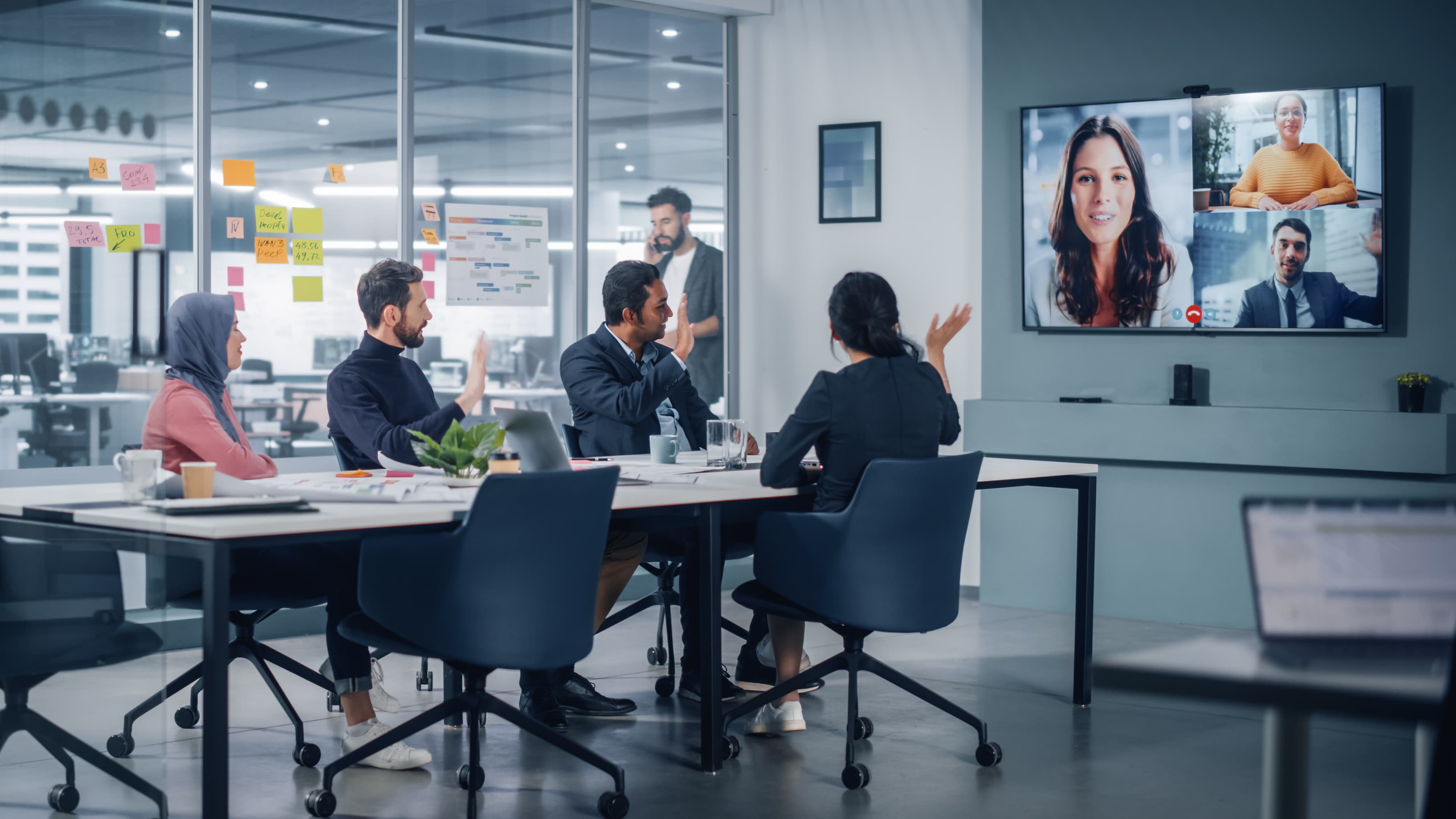
Hybrid work models are now the norm rather than the exception. Flexible workspaces complement this shift by giving employees options for where and how they work. Central locations, accessible transport links, and diverse office configurations make it easier for team members to split their time between office, home, and other locations. In practice, this supports productivity, engagement, and employee retention. You can explore coworking spaces across locations to find the right fit for your team.
Cost Efficiency and Operational Benefits
Traditional office leases can be expensive and rigid. Flexible workspaces allow businesses to manage costs more effectively. Companies can rent the exact space they need, when they need it, and often with fully managed services included. Amenities such as reception services, IT infrastructure, meeting rooms, and cleaning are typically bundled into the lease, reducing overhead and administrative burden.
The ability to scale space up or down enables companies to align their real estate with actual business requirements rather than projected growth. This reduces wasted space and optimises resource allocation, a critical consideration in the post-Covid landscape.
Supporting Employee Wellbeing
Flexible offices often prioritize natural light, ergonomic furnishings, and breakout areas, creating environments that support both mental and physical health. Employees can choose spaces that suit their needs, whether they require focused work areas, collaboration zones, or social hubs. See how flexible working reduces stress for teams making the shift.
Access to shared amenities such as gyms, cafés, and wellness rooms further enhances the working experience, helping teams feel engaged and supported.
Enhancing Collaboration and Innovation
A common concern with remote and hybrid work is the potential loss of spontaneous collaboration. Flexible workspaces help bridge this gap by offering designed environments for interaction. Shared areas, event spaces, and communal zones encourage networking, knowledge sharing, and cross-team collaboration.
This can lead to faster problem-solving, stronger team cohesion, and innovation without forcing all employees into a fixed location.
Practical Considerations for Choosing Flexible Space
When evaluating flexible office options, businesses should consider location, amenities, scalability, and contract terms. Selecting a space that aligns with company culture and operational goals ensures that the investment supports both short-term needs and long-term strategy.
Operators that offer flexible agreements and modular office layouts provide the greatest adaptability, giving businesses confidence in an uncertain post-pandemic market.
The Strategic Advantage
Flexible workspaces are more than a temporary solution; they are a strategic tool for companies navigating the post-Covid era.
By combining adaptability, cost efficiency, employee wellbeing, and collaboration potential, they provide a framework that supports growth, resilience, and operational agility.
Companies that integrate flexible offices into their real estate strategy can respond more effectively to market changes while maintaining a productive and engaged workforce.