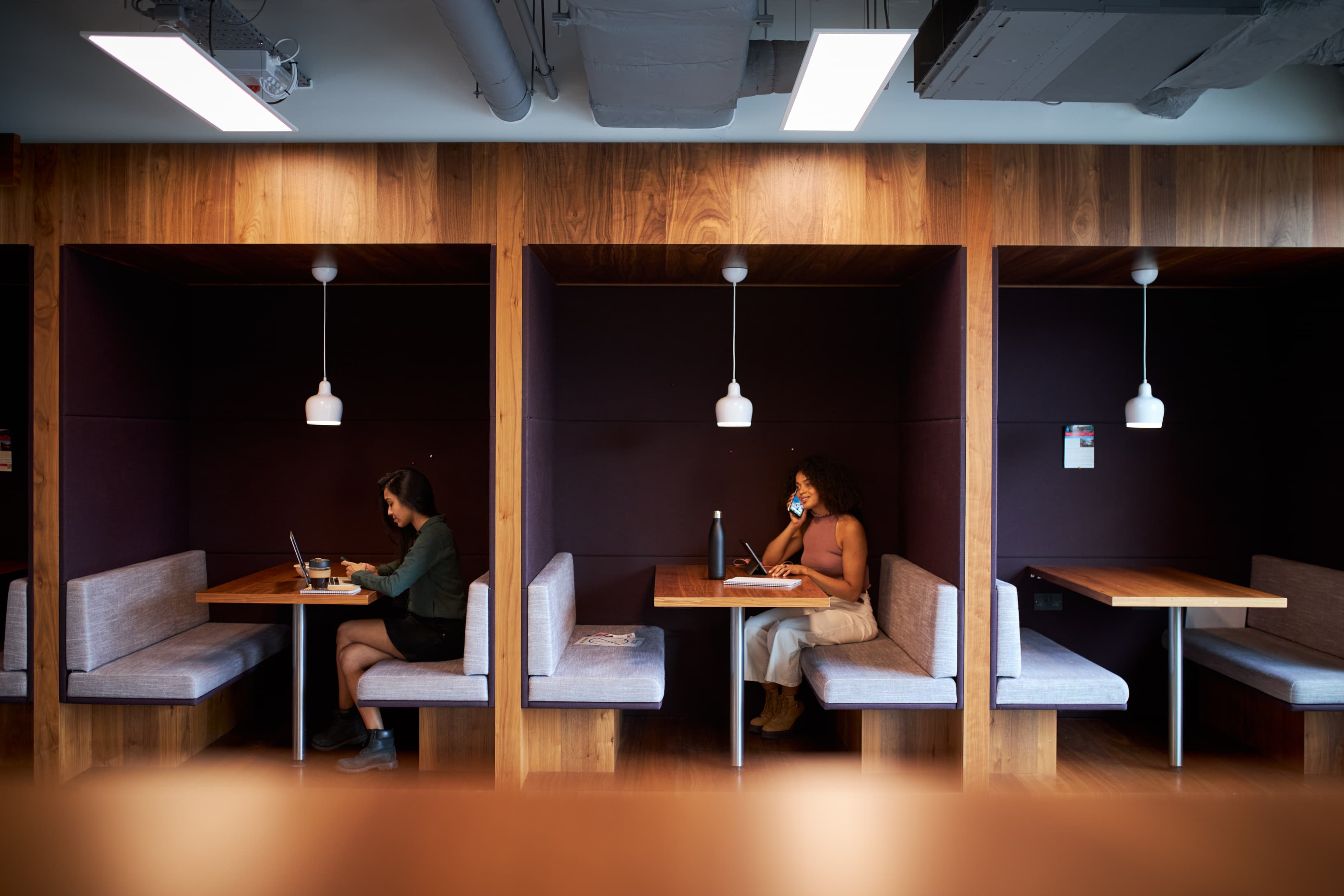
Flexible Office Space Explained: Month-to-Month, Short-Term and On-Demand

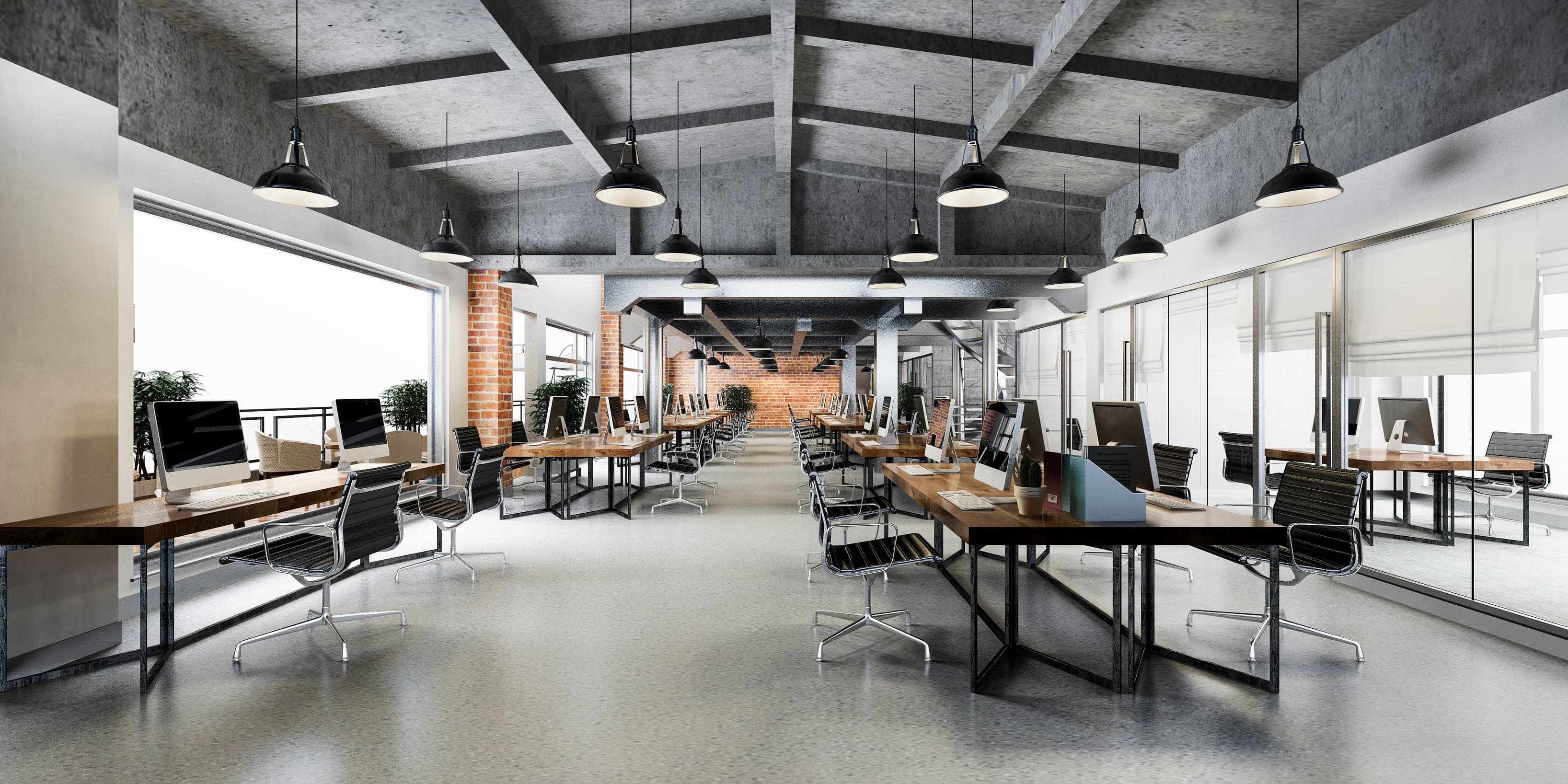
Flexible office space gives businesses more control over how they work. This article explains month-to-month, short-term, and on-demand office options, how they support hybrid teams, and how to choose the right model.
Table of Contents
The way businesses use office space has shifted.
Teams are more distributed. Headcounts rise and fall faster than ever. Projects start and end quickly. Yet, many office models are still built around long-term commitments and fixed assumptions.
That’s where flexible office space comes in. It gives businesses more control over where, when, and how they work.
This guide explains what flexible office space actually is, how month-to-month, short-term, and on-demand options work, and how to decide which one best fits your team.
What We Mean by Flexible Office Space
At its core, flexible office space is any workspace that you can use without being tied into a long-term lease. Instead of committing to one location for several years, businesses can access space on a rolling monthly deal, a short-term agreement, or even on an hourly basis.
The key benefit is adaptability: as your team grows, shrinks, or changes direction, your office can adjust without being locked into a fixed commitment. Read more about why businesses are moving to flex.
The Main Types of Flexible Office Space
Flexible workspace comes in a few different formats, each serving a slightly different need. For a detailed breakdown, see our guide to comparing workspace types.
Month-to-Month Offices
Month-to-month office space gives teams the stability of a private office without the long-term commitment. Most are fully furnished and move-in ready, with internet, utilities, and building services included.
This option works well for businesses that:
- are growing with uncertain headcount
- are between longer-term real estate decisions
- are testing a new location or market
- want a consistent lease without being tied down
Short-Term Office Space
Short-term space is designed for defined periods, from a few weeks to a few months. It provides privacy and structure for teams that need temporary headquarters.
Typical short-term use cases include:
- project teams and specialist contractors
- temporary overflow space
- office needs during renovations or relocations
- seasonal or cyclical demand
It offers the structure of a traditional office space, but with the flexibility that modern teams need. Browse short-term private offices available on your terms.
On-Demand Office Space
On-demand work is exactly what it sounds like: workspace you can use exactly as and when it is needed. That includes day offices, coworking desks, and meeting rooms you can book by the hour or day.
This model is built for speed and flexibility.
It’s ideal for:
- remote and hybrid teams
- client meetings and business travel
- interviews, training sessions, or workshops
- teams that meet in person occasionally
On-demand options remove the need to maintain permanent space for occasional use. You can find flexible desk space across locations whenever your team needs it.
How Flexible Office Space Supports Hybrid Work
Hybrid work has changed how offices are used. Many teams no longer gather daily, but they still need space for collaboration, connection, and focused work when it matters most.
Flexible workspace supports that shift by giving teams access to space when they need it, without forcing rigid attendance or long-term commitments.
Cost Considerations
Flexible office space can look more expensive on a monthly rate compared to a long-term lease. However, the total cost often ends up lower because businesses avoid:
- paying for unused desks or empty rooms
- taking on multi-year financial risk
- up-front fit-out or renovation costs
- managing utilities, cleaning, maintenance, and internet separately
In short, you pay for what you actually use, not what you hope you might use years from now.
Speed and Simplicity
Traditional office leasing is slow. Negotiations, paperwork, build-outs, and setup can drag on for months. Flexible office space removes that friction. Most spaces are ready to use immediately, letting teams move quickly and adjust whenever things change.
How to Choose the Right Option
Start by thinking about how your team actually works:
- Do you meet daily, weekly, or only occasionally?
- Is your headcount stable or shifting?
- Do you need privacy or are shared areas enough?
- Is your work project-based or ongoing?
Month-to-month gives you a steady base.
Short-term suits defined, time-bound needs.
On-demand offers maximum flexibility.
Many organisations end up using a mix. If you're weighing up providers as well as product types, our step-by-step guide to choosing between workspace providers covers what to look for.
Finding Flexible Office Space with Worka
Worka connects people with places through a global marketplace for flexible workspace.
Whether you’re looking for a month-to-month office, a short-term project space, or on-demand offices across cities, Worka makes it simple to compare options and book workspace that fits your team’s way of working. Search workspaces near you to get started.
Frequently Asked Questions
What is flexible office space?
Flexible office space is workspace available on short-term, month-to-month, or on-demand terms, including serviced offices, coworking space, meeting rooms, and day offices.
What is the difference between flexible office space and serviced offices?
Serviced offices are one type of flexible office space. Flexible office space is a broader category that also includes coworking, on-demand space, and short-term offices.
Is flexible office space more expensive than traditional office space?
It may cost more per month, but often lowers overall spending by eliminating unused space and removing fit-out and long-term leasing costs.
Can enterprises use flexible workspace?
Yes. Many large organisations use flexible office space for project teams, regional offices, and hybrid strategies.
What is on-demand office space?
On-demand office space refers to workspace that can be booked by the hour or day, such as meeting rooms, coworking desks, or day offices.
Can flexible office space be used across multiple cities?
Yes. Flexible office space can be accessed across multiple cities, making it ideal for distributed teams with travel needs.
Final Thoughts
Flexible office space gives businesses the freedom to adapt, whether that means scaling, relocating, or simply working differently. Month-to-month, short-term, and on-demand options allow teams to avoid long commitments and choose space that fits their real needs.
As work continues to evolve, flexibility is no longer a luxury. It is central to modern workplace strategy.